
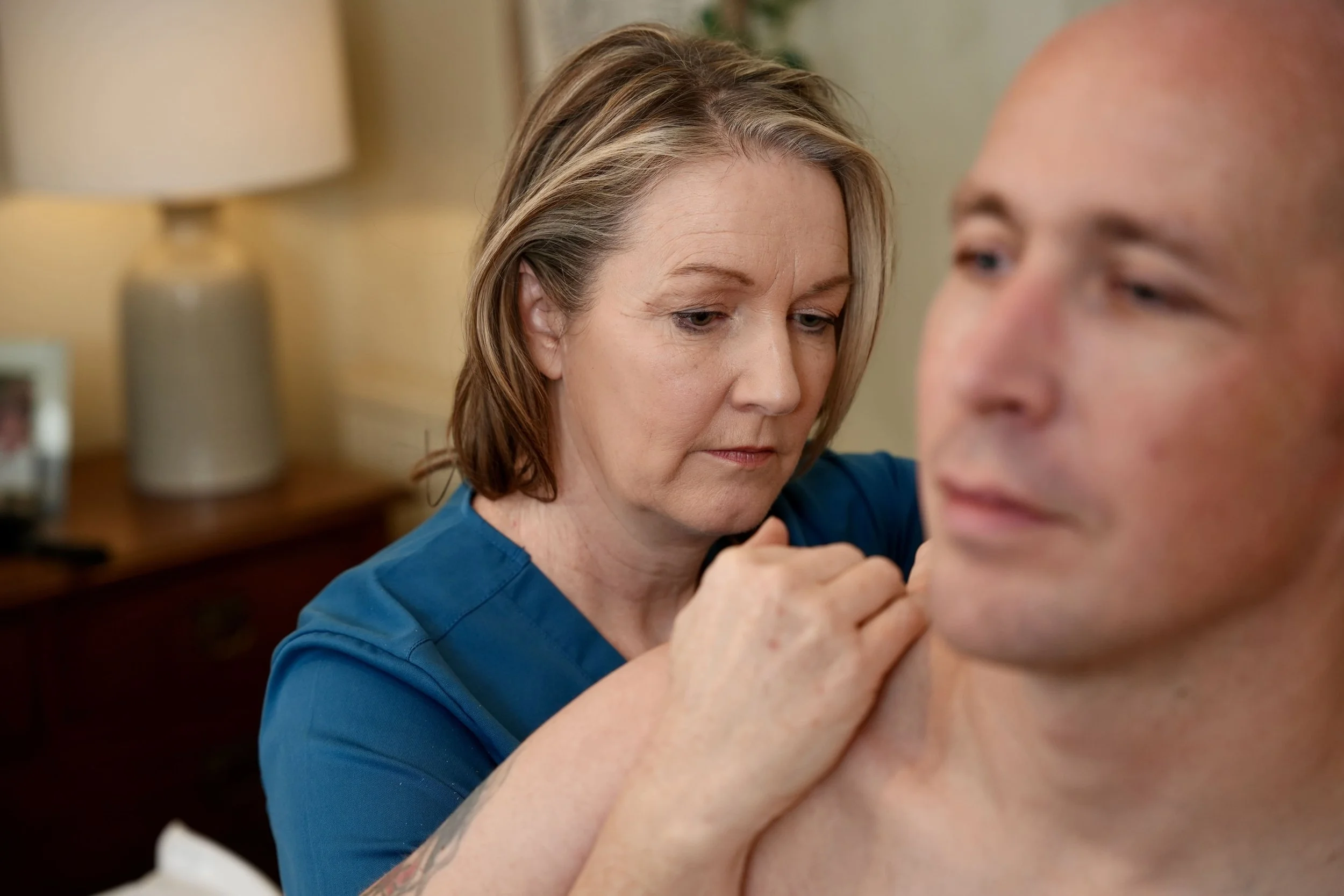
What is Osteopathy?
Osteopathy has been around since 1897 and is still proving to be as relevant today as it has been in the last 129 years.
Osteopaths work by using observation and palpation to determine what may be causing pain and dysfunction.
In the days before sophisticated imaging techniques became available, Osteopaths were using palpation and clinical methods to sucessfully diagnose and treat Patients. We are very fortunate to have access to modern medicine and surgery but are often waiting extended periods to access them. Osteopaths are still taught how to assess using basic tools, such as a stethoscope, (cardiovascular and respiratory health) tuning fork, (fractures and diabetes) and patella hammer to test reflexes, (neurological functions).
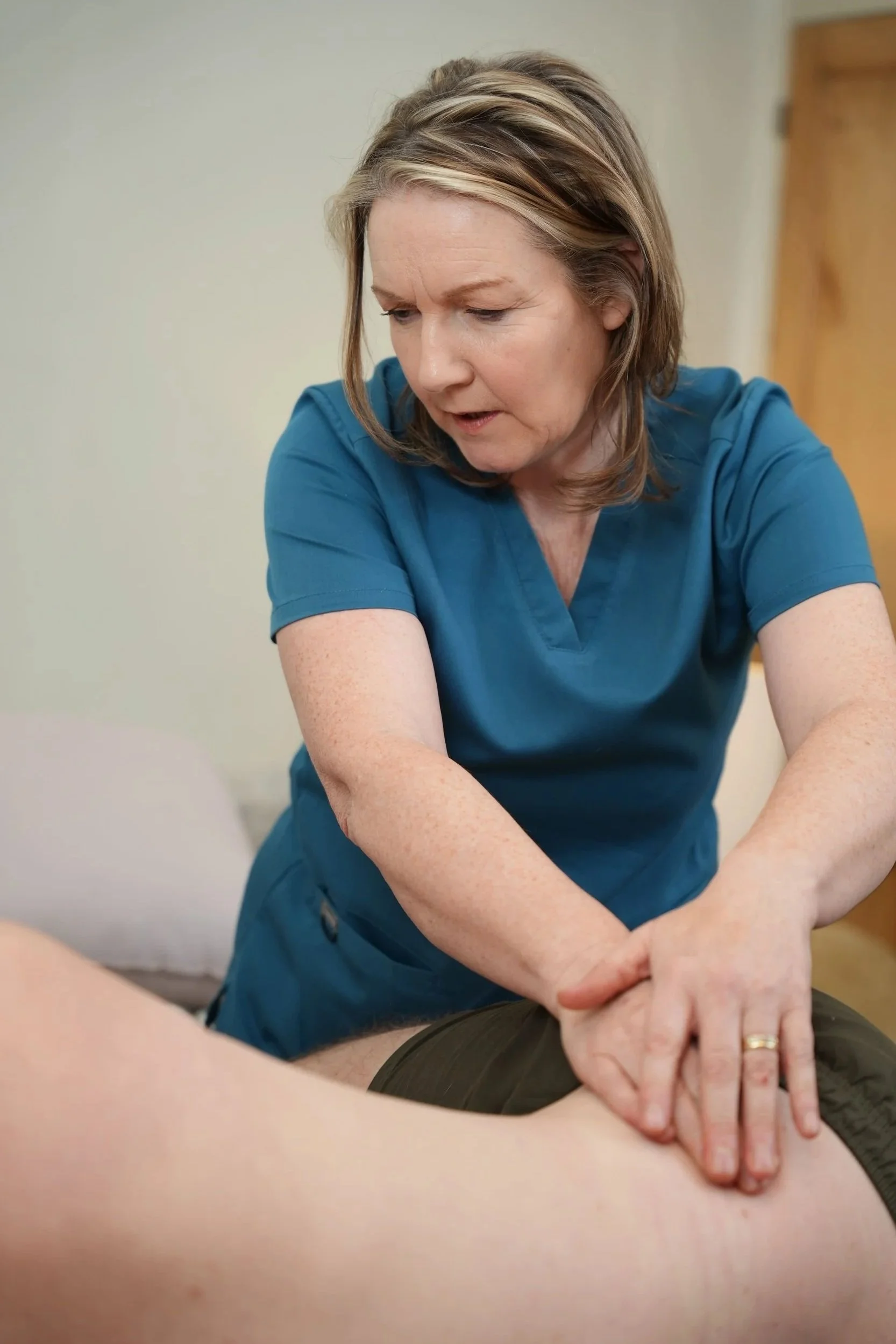
“I felt huge improvements after the first session and after just 3 visits Cathy has resolved the discomfort in my back, neck and hip.”
— Eiddwen
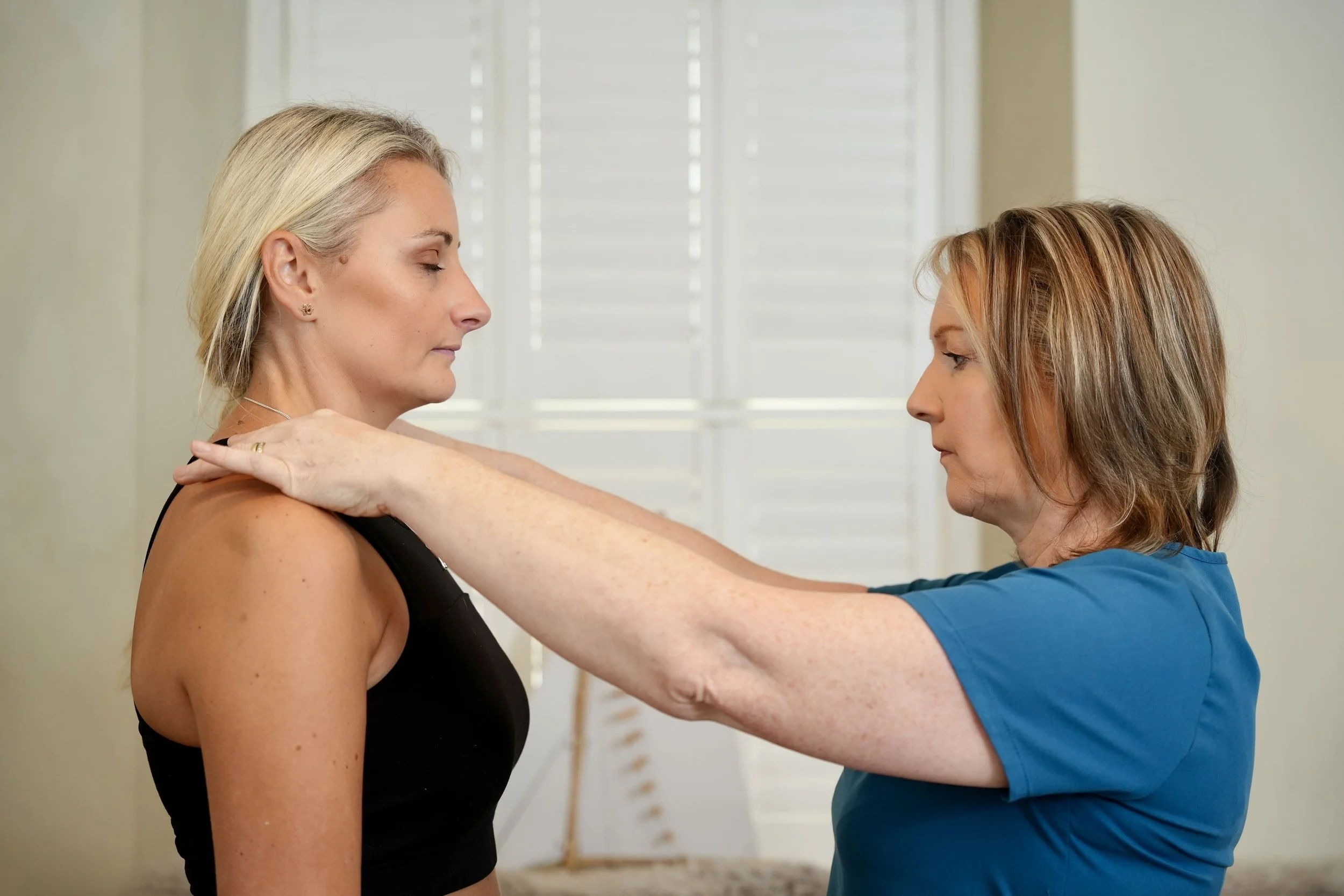
“She is amazing and I wouldn't hesitate to recommend her to anyone who is in pain.”
— Jenny
What I treat, and how
I treat the following conditions…
ankle + foot pain
arm + elbow pain
frozen Shoulder
headaches
knee pain
low back pain
mid back or chest pain
neck pain
osteoarthiritis
pelvis, buttock, hip, groin pain
repetitive strain injury
sciatica
sport injuries
trapped nerves
wrist + hand pain
Your visit
When visiting us, a full and detailed case history is taken to highlight areas of concern, pain or limited movement. We then ask you to remove some of your outer clothing, (if you are comfortable) so the joints can be seen. This enables us to rule out things like a shingles infection, which has a particular appearance and requires a visit to your G.P. for medication. We can also see if there are old surgical or injury scars which you may have forgotten about but which may be impacting how the area is able to move now.
Simple movements…
We will ask you to carry out some simple active movements to see how the area moves within your pain free range. This is then repeated when you are laying down on the plinth, (passive movements) to see if they match or differ. At this stage, a basic clinical methods examination is carried out in any areas highlighted in the case history, eg. breathlessness as a symptom may result in blood pressure, auscultation/listening with a stethoscope of the heart and arteries of the neck.
What next?
Depending on what is found, we will discuss possible causes, treatment options, (Osteopathy or others) and get on with treating. You will leave with a thorough understanding of what is causing your symptoms as well as exercise or lifestyle adaptions specific to you and emailed to you after the consultation.